Photovoltaic plates
They are devices that convert solar power into electricity. Let's imagine they're small energy factories that work thanks to the sun.
How do they work?
Photovoltaic cells: Plaques are composed of photovoltaic cells. These cells, coming into contact with sunlight, generate an electric current.
Photoelectric effect: This physical phenomenon is the principle that makes it possible to generate electricity on solar panels. Sunlight, when it influences cells, releases electrons that generate an electric current.
From the continuous to alternation current: The electricity produced by solar panels is continuous current, but most of our devices run on alternate current. That's why investors are used to transform the current.
Types of solar panels:
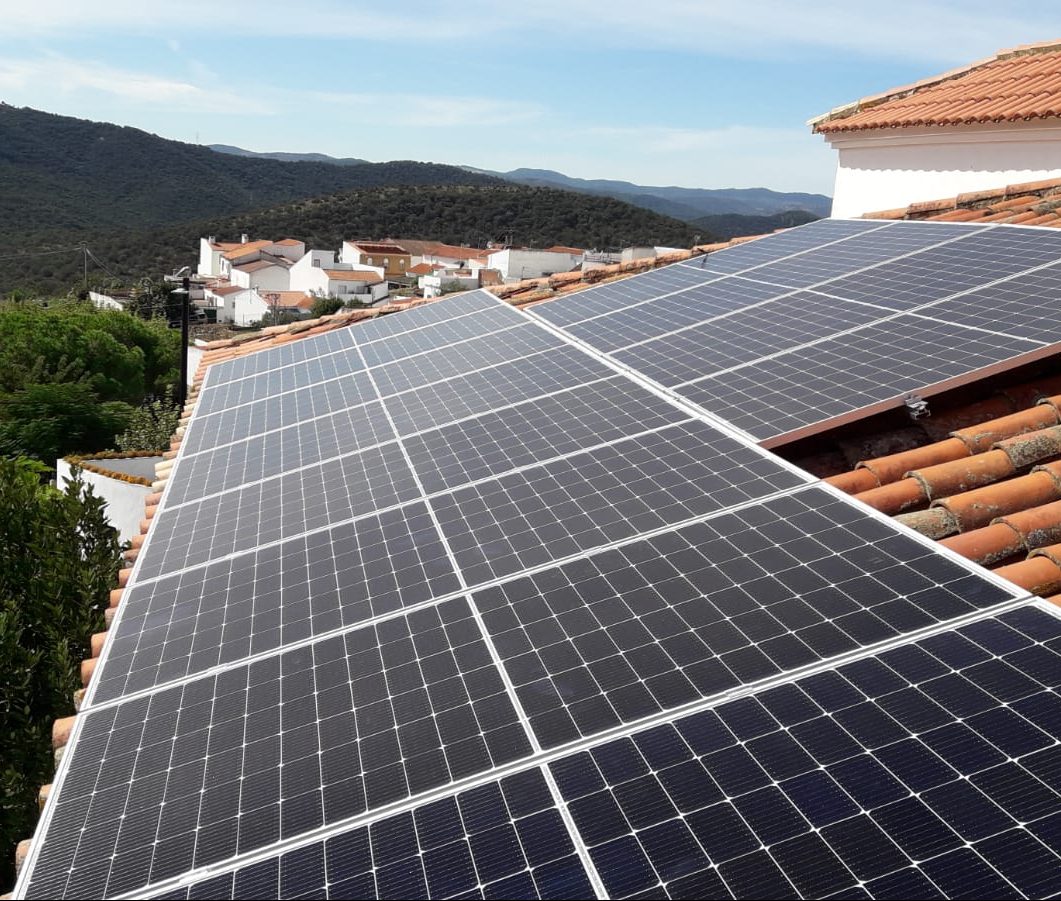
Monocrystalline: They are made of a single silicon crystal, which gives them high efficiency and a uniform black look. They are the most efficient but also the most expensive.
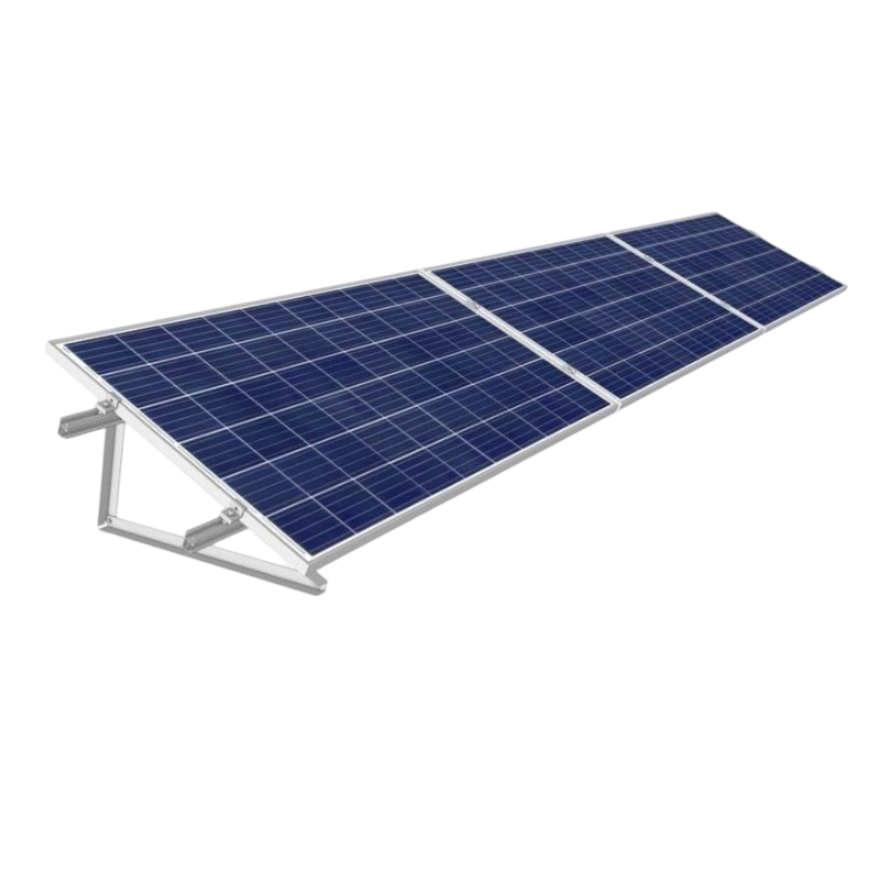
Polycrystalinos: Composed of several silicon crystals, they are less efficient than monocrystalline but also cheaper. They look bluish.
Amorites: Made with amorphous silicon, they are more flexible and can be adapted to curved surfaces. However, its efficiency is lower.
Advantages of solar panels:
Clean and renewable energy: They do not generate polluting emissions and are an inexhaustible source of energy.
Reducing the electricity bill: By generating your own electricity, you can significantly reduce your energy costs.
Energy independence: Allows you to be less dependent on the traditional electricity grid.
Valuation of your home: The installation of solar panels increases the value of your property.